EXPLORE MSP
What is the Minimum Support Price (MSP)?
What is the Minimum Support Price (MSP)?
What is the Minimum Support Price (MSP)?

MSP is the minimum rate at which the government guarantees to buy crops from farmers. It acts as a safety net so farmers do not have to sell their produce below cost when market prices fall.
Who decides the MSP in India?
What is the Minimum Support Price (MSP)?
What is the Minimum Support Price (MSP)?
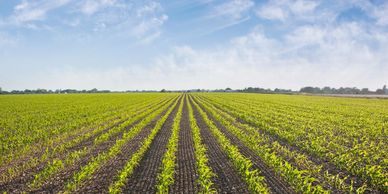
The Government of India announces MSPs each year, based on recommendations from the Commission for Agricultural Costs and Prices (CACP) under the Ministry of Agriculture.
How many crops are covered under MSP?
What is the Minimum Support Price (MSP)?
What is the difference between MSP and FRP (Fair & Remunerative Price)?

Currently, MSP is announced for 23 major crops, including 7 cereals (like wheat, rice, maize), 5 pulses, 7 oilseeds, and 4 commercial crops (like cotton, jute, sugarcane, and copra).
What is the difference between MSP and FRP (Fair & Remunerative Price)?
What is the difference between MSP and FRP (Fair & Remunerative Price)?
What is the difference between MSP and FRP (Fair & Remunerative Price)?
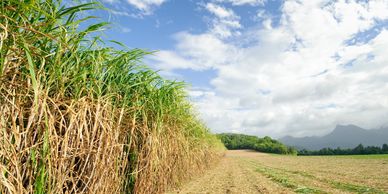
MSP applies to most crops where the government may procure through FCI or state agencies.
FRP applies only to sugarcane — it’s the minimum price sugar mills must pay farmers per quintal of cane, ensuring fairness between growers and mills.
What factors are used to calculate MSP?
What is the difference between MSP and FRP (Fair & Remunerative Price)?
Why is MSP important for India’s farmers and economy?

The CACP considers multiple factors:
• Cost of production (A2 + FL + C2)
• Demand and supply
• Price trends in domestic and international markets
• Inter-crop price parity
• Impact on consumers and the economy
Why is MSP important for India’s farmers and economy?
What is the difference between MSP and FRP (Fair & Remunerative Price)?
Why is MSP important for India’s farmers and economy?

MSP is not just a price — it’s a promise of security. It protects farmers from distress sales when market prices fall, ensures they recover their basic cost of production, and keeps rural incomes stable. By giving farmers confidence to invest in better seeds and technology, MSP supports both food security and economic stability for the nation.